Product Description
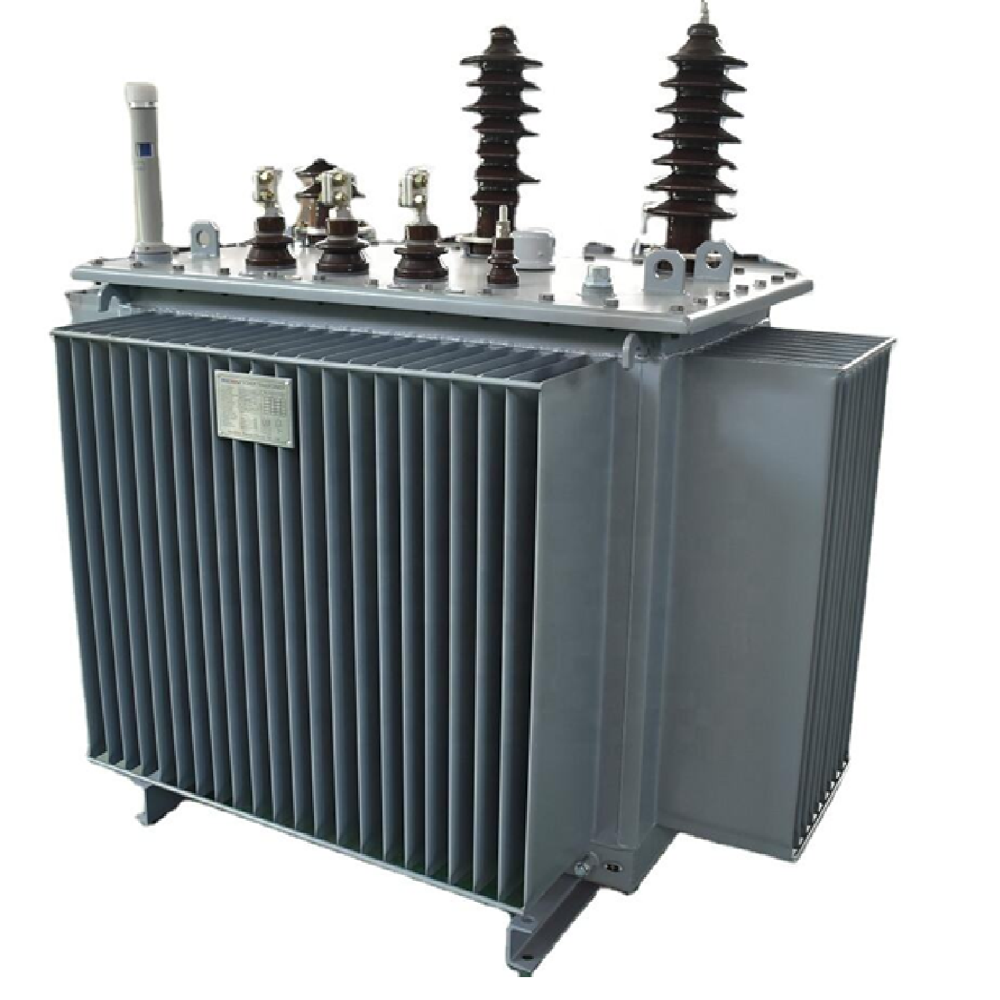
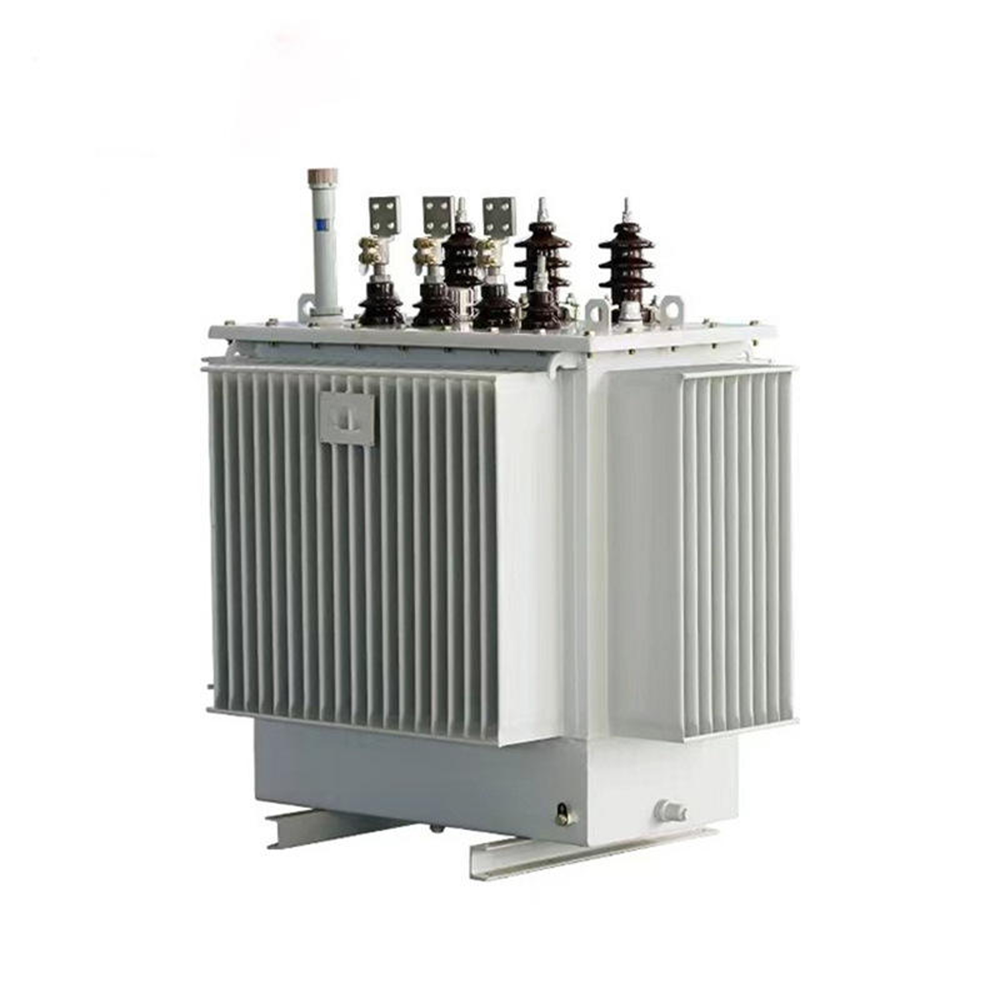
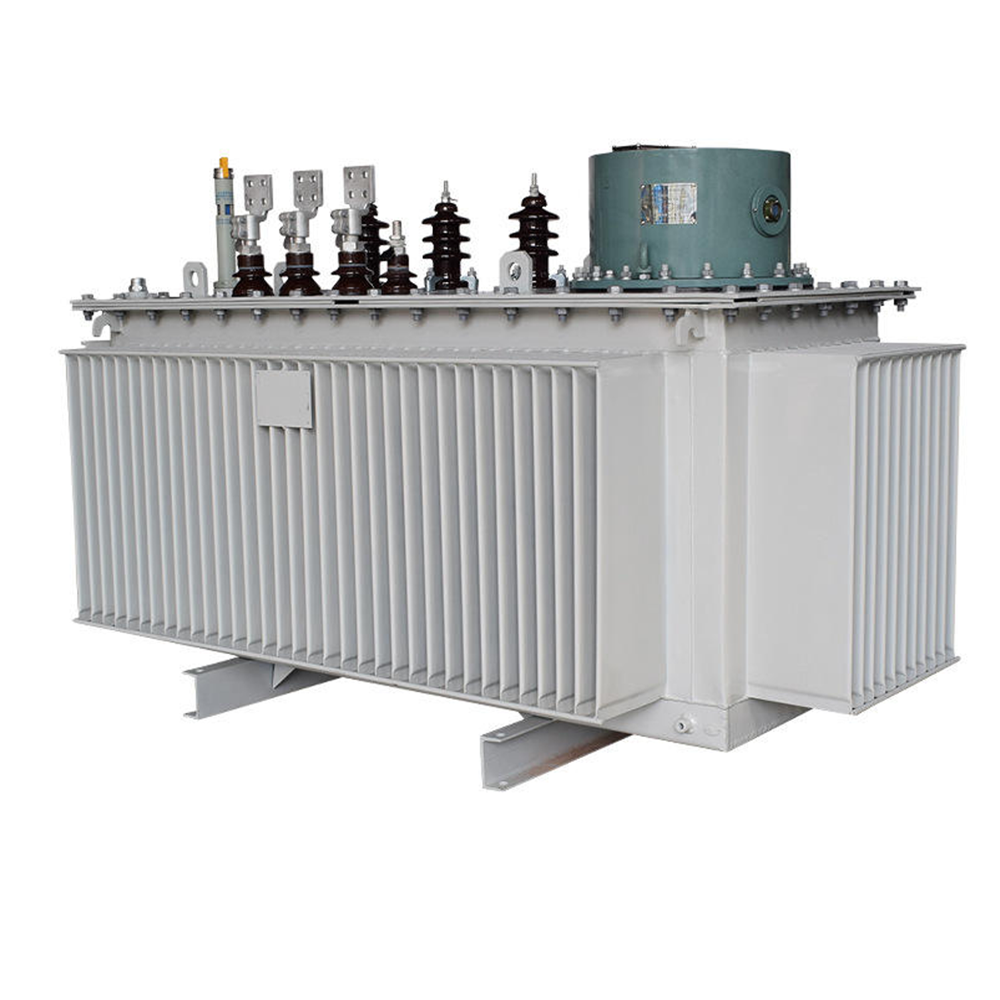
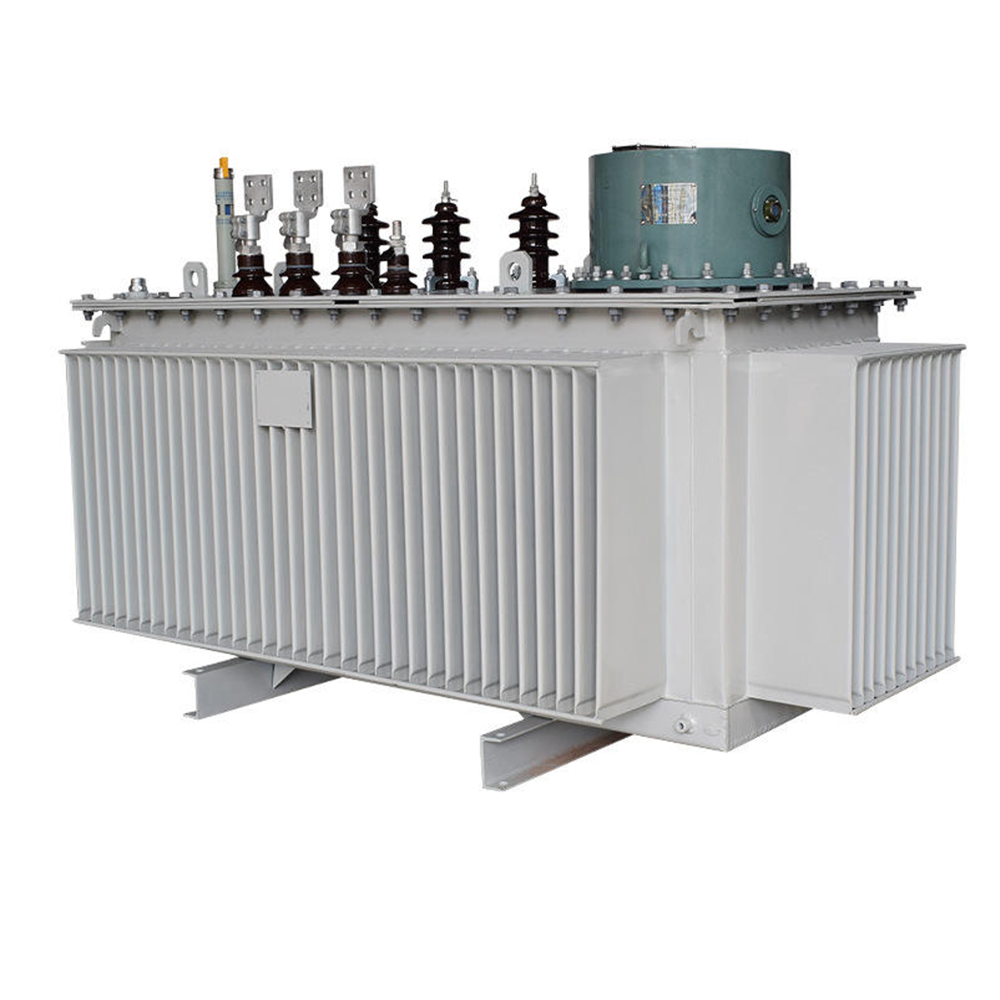
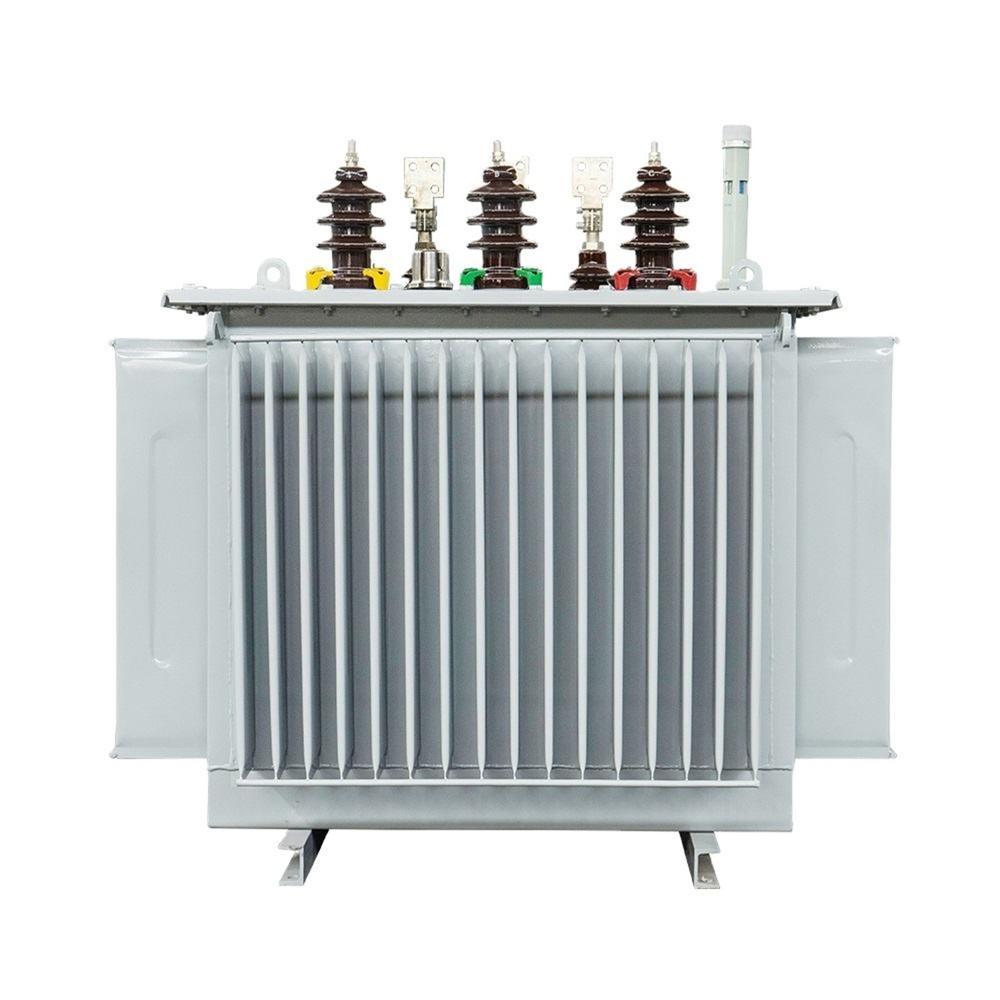
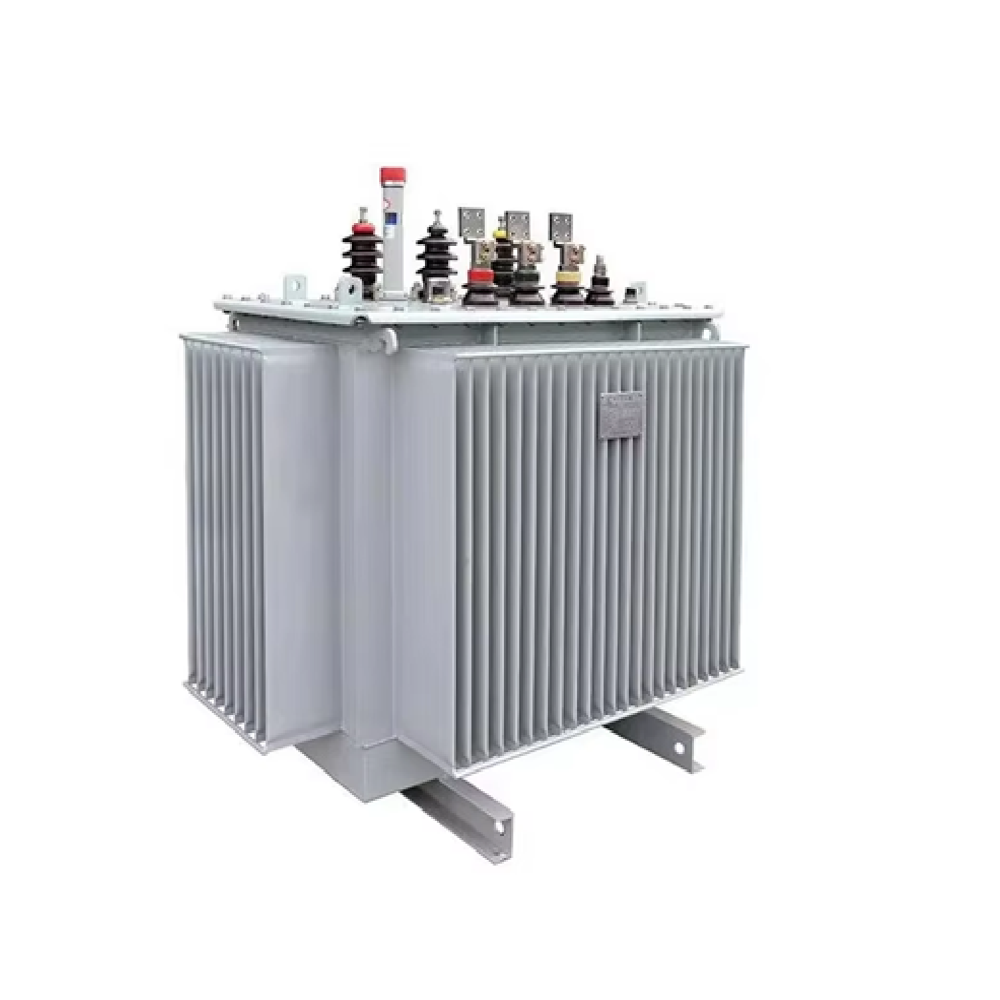
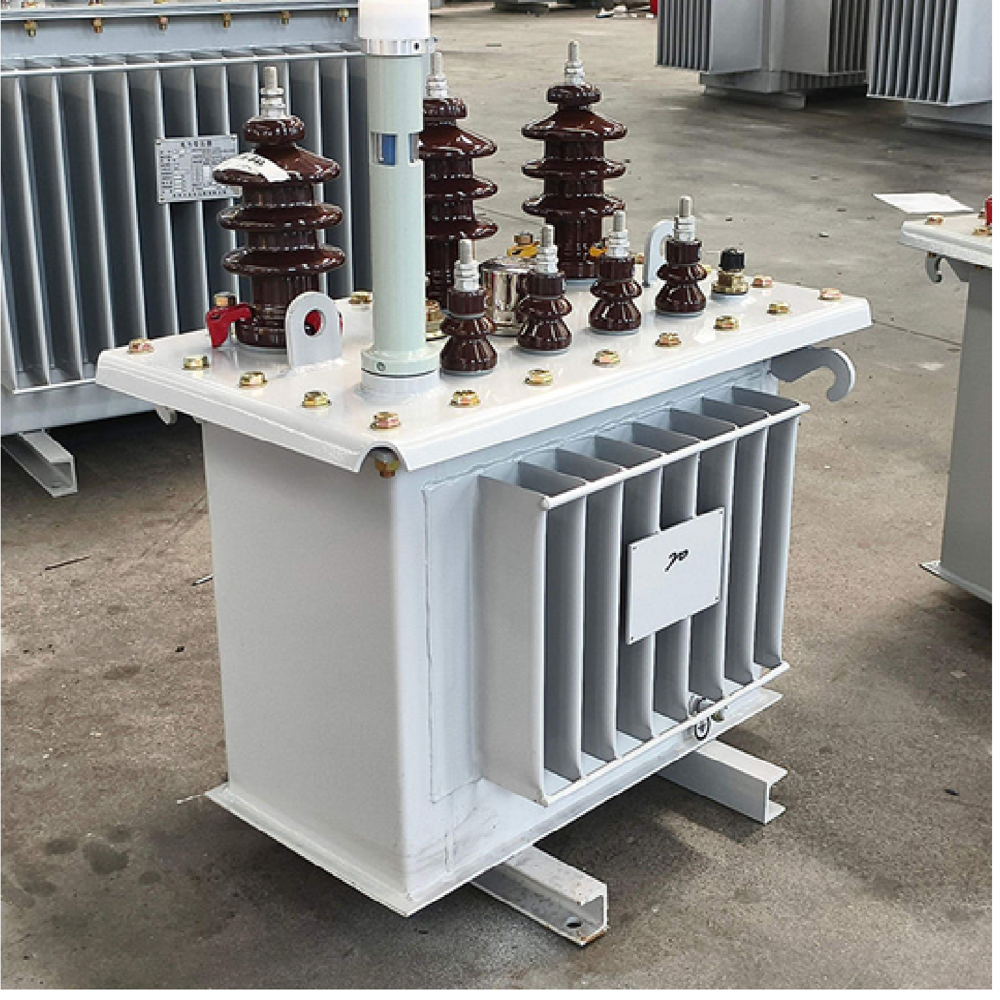
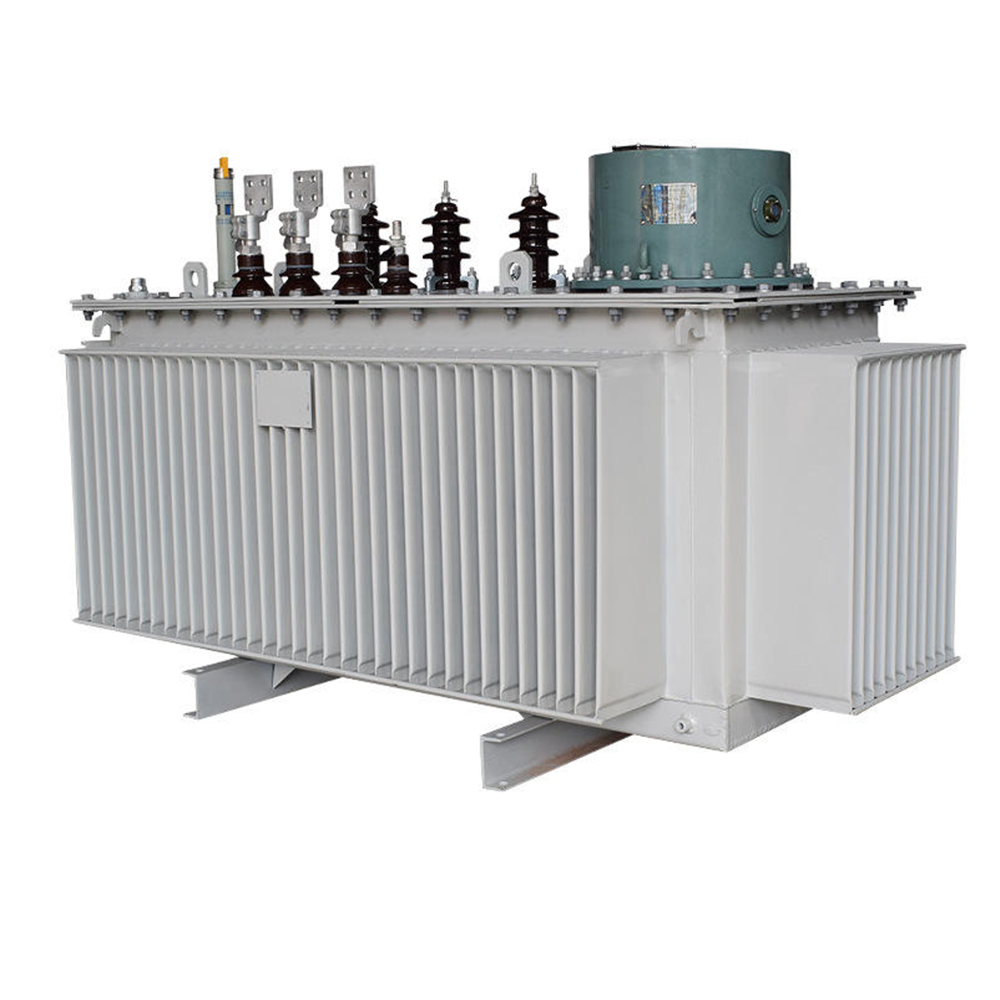
High Voltage Transformer is designed for reliable voltage transformation in high-voltage electrical power systems and industrial applications. These transformers are suitable for power transmission, substations, industrial plants, distribution networks, and other demanding electrical installations. Robust construction, high-quality insulation, and efficient electrical performance ensure dependable operation under continuous working conditions. High Voltage Transformers can be manufactured with different voltage ratios, KVA ratings, frequency, phase configurations, insulation classes, and mounting arrangements according to application requirements. Customized solutions are available for OEMs, EPC contractors, panel builders, industrial users, system integrators, and export customers.
Robust Engineering for Reliable PerformanceCrafted with high-grade silicon steel core and copper or aluminum windings, this transformer assures sturdy construction and enhanced efficiency. Epoxy or polyurethane anti-corrosive paint safeguards the tank in harsh environments, while the durable floor or pad mounting offers stability across installations.
Versatile Configuration and High Safety StandardsWith various insulation classes, tap changer options, and enclosure protection levels, our transformer fits both standard and demanding environments. Essential safety features like the Buchholz relay, explosion vent, and silica gel breather proactively prevent faults and extend operational life.
Efficiency and Ease of OperationEngineered for minimal losses based on IEC standards, this transformer operates at up to 98% efficiency and low noise (<60 dB at 1m). The integrated accessories and user-centric features ensure straightforward monitoring, maintenance, and safe, continuous power delivery.
FAQ's of High Voltage Transformer:
Q: How is the transformer installed and mounted on-site?
A: The transformer is typically installed as a floor-mounted or pad-mounted unit. Installation should follow the manufacturer's guidelines, ensuring secure, level placement and adequate ventilation around the enclosure for optimal cooling and performance.
Q: What insulation classes are available, and how do they benefit different environments?
A: The transformer offers insulation classes A, F, and H, allowing selection based on the expected thermal environment. Higher classes (F and H) tolerate greater temperatures, enhancing safety and lifespan under more demanding operating conditions.
Q: When is it recommended to use synthetic ester oil instead of mineral oil?
A: Synthetic ester is recommended for applications requiring enhanced fire safety and environmental performance, such as indoor or environmentally sensitive installations. Mineral oil is suitable for standard outdoor or industrial setups, offering cost-effectiveness and proven reliability.
Q: Where can this transformer be deployed effectively?
A: It is suitable for power distribution in substations, industrial plants, and commercial complexes, particularly where high voltage step-up or step-down is required. The IP23/IP33 protection allows installation indoors or in covered outdoor locations.
Q: What is the process for adjusting voltage using the tap changer?
A: Voltage adjustment is achieved using the off-load tap changer, offering a range of +5% to -15%. Before operating the tap changer, ensure the transformer is de-energized to maintain safety and equipment integrity.
Q: How does the transformer ensure reliable and efficient operation?
A: With low noise emissions (<60 dB), ONAN cooling system, and advanced accessories for monitoring and fault protection, the transformer runs efficiently (up to 98% efficiency) while maintaining robustness for an expected service life of 15-25 years.
Q: What are the main benefits of choosing this transformer for electrical distribution?
A: Key benefits include high energy efficiency, adaptable configurations, extensive safety features, compliance with international standards like IS 2026/IEC 60076, and a wide capacity range, making it ideal for diverse sectors and demanding operational needs.







 Inquiry

 Send Inquiry